Instruction: Change of selection promptly shifts the focus to a matching heading further down, on the same page.

The longevity connection

A letter from Scott Beffort

Vice President, Global Head of Brand & Community Impact, Manulife

"Connection and shared experience sit at the heart of what many Canadians value most. They are not simply markers of a life well lived, they are foundational to how we experience health, purpose, and belonging as we age.

As the report that follows makes clear, decades of scientific research confirm that strong social relationships are essential to positive physical, cognitive, and mental‑health outcomes over time. Social connection is not a ‘nice‑to‑have.’ It is a core determinant of longevity."

Yet, sustaining those connections is becoming more difficult. Technological advances promise constant contact, but are not an adequate substitute for meaningful social connection, shown through a growing number of Canadians are experiencing loneliness and isolation. Our partners at the National Institute on Ageing highlighted this challenge in their 2025 Ageing in Canada report (supported by the Manulife Longevity Institute), noting that economic pressures and health constraints are increasingly limiting older Canadians’ ability to maintain the depth and frequency of social engagement they value.

The consequences are significant. As Canada becomes a “super‑aged” society, widespread disconnection threatens not only individual well‑being, but also our collective health outcomes, intensifying the effects of chronic disease and mental illness and placing additional pressure on families, communities, and systems of care.

This trajectory is not inevitable. Evidence shows that preventive, health‑promoting habits—physical, cognitive, emotional, and financial—can strengthen our capacity to build and sustain social networks as we age. In doing so, we can extend health span alongside lifespan. This is about equipping people with the resilience and resources they need to remain socially engaged across every stage of later life.

We often talk about preparing financially for the future. Social wellbeing deserves the same intentional investment. Small, deliberate actions taken today can yield meaningful returns in connection, purpose, and longevity tomorrow.

We launched the Manulife Longevity Institute to help drive action that enables people to live longer, healthier, and more financially secure lives. Safeguarding social wellbeing is integral to that mission. And addressing loneliness and isolation is not the responsibility of any one group alone, it requires leadership from individuals, employers, advisors, and institutions alike.

This report explores what that leadership can look like, and how we can act, together, to ensure that longer lives are also more connected ones.


Sincerely,

Scott Beffort

Vice President, Global Head of Brand & Community Impact, Manulife

What’s in this report

Six years after “social distancing” became part of the common lexicon, more Canadians are struggling with social connection. Many facets of modern life can make it hard for people to engage with others in consistent and meaningful ways—especially as they age. And that’s become a clear and present risk to the health and wellbeing of Canadians.

As Canadians live longer lives, and as the links between social connection and longevity become increasingly evident, experts believe it’s imperative to consider how we can all contribute to this—including clinicians, policymakers, employers, advisors, and individuals—to consider social wellbeing as a critical driver of health on par with physical, mental, and financial wellbeing. Moreover, experts say developing and maintaining meaningful social connections can help increase the length of time individuals are able to live with a high quality of life—also known as the “health span.”

Social connection is a pillar of longevity. Protecting your health, confidence, and financial flexibility today helps keep connection possible tomorrow. A proactive and preventive approach to physical, cognitive, mental, and financial health, can help Canadians improve their social wellbeing and increase their odds of living healthier lives, for longer.

In this report, you will learn:

  • How the evidence shows social connection is an essential driver of health and longevity.
  • What makes social connection challenging today.
  • How preventive habits can improve social connectivity.
  • What you can do now to start safeguarding your social wellbeing.
  • How to invest in your social wellbeing.

You’ll also find links for deeper explorations of:

  • How to foster connection in the workplace.
  • The conversations that advisors and clients can have now to ensure social health for years to come.

An employer's guide to fostering social health in the workplace

Employers can play an important role in encouraging and supporting social wellbeing. 

The advisor connection

How advisors can help their clients build (and plan for) a longer, healthier life.

What is social wellbeing?

Social wellbeing is a catch-all term for the degree to which we feel part of the world in which we live. “It’s fundamentally about how connected people feel to their communities and environments,” says Dr. Ali Damji, a family physician with Cleveland Clinic Canada. “And that can mean different things to different people.”

Social wellbeing can manifest as active participation in clubs, associations, and groups. It can take the form of a standing coffee date with friends. It can mean a quick chat with a clerk at a grocery store or a nod from a neighbour as you run an errand. Some people need a high number of relationships and interactions to feel a sense of social wellbeing; others might require a smaller circle with less frequent but deeper interaction on their social calendar.

“I see it as feeling seen, supported, and belonging,” offers Jennifer Foubert, Assistant Vice President and Head of Product and Growth for Group Benefits with Manulife Canada. “It’s about knowing who understands you, knowing there are people who care about you, and knowing where to meet like-minded people.”

The disconnect:

What we’re missing about social connection

When we talk about preventive health with our doctors, our colleagues, our insurance and financial advisors, and our families, the conversations tend to centre around a few common areas known to support wellness and longevity. We talk about our physical bodies: The exercise we’re doing, the food we’re eating (and avoiding), the alcohol and vaping we’re cutting down on. We talk about our brains: What we’re doing to keep our minds sharp, and how we’re managing our emotions. We talk about sleep. These things are often easier to measure and quantify with metrics for blood pressure or sugar, drinks of alcohol per week and cholesterol levels.

What we don’t talk about nearly enough is, the quality of the relationships in our lives2, which have less quantifiable factors, such as:

  • The frequency of meaningful interactions with others as we go about our days. 
  • The volume and depth of the connections we have to our communities.
  • The loneliness and isolation that more of us are feeling, more often, even when we’re surrounded by others.
  • The significantly poorer quality of life that comes as our social networks weaken with age.
  • How investing in stronger social connections can benefit our health, independence, wealth, and longevity.

It’s time to change the conversation.

“We’ve long established sleep, exercise, and nutrition as important elements of overall health and wellbeing,” explains Dr. Ali Damji, a family physician with Cleveland Clinic Canada. “It’s time social connection was considered in the same way.”

Did you know?

The National Institute on Ageing considers social wellbeing one of three pillars required for Canadians to age well, alongside independence, financial security, and health and wellbeing1.

The connection crisis

In 2023, the U.S. Surgeon General made international headlines by declaring an epidemic of loneliness and isolation3. Unfortunately, there’s been little evidence of improvement in the years since.

Signs of disconnection are clear among Canadians of working age: Nearly half of group benefits members surveyed in The Wellness Report by Manulife, reported feelings of loneliness4.

The evidence is even more pronounced among older Canadians: Consider the National Institute of Ageing’s 2025 Ageing in Canada report, sponsored by the Manulife Longevity Institute.

The report found that 57 per cent of Canadians over the age of 50 now experience loneliness, and 43 per cent face a high risk of social isolation. More older Canadians have weak social networks now than strong ones. Just 33 per cent of Canadians age 50-plus participate in social, recreational, or group activities at least once a week—down from 39 per cent a year ago5. “In four years of gathering data, we haven’t seen any improvements in social isolation and loneliness,” explains Talia Bronstein, the NIA’s Director of Policy6. Many realities of modern life—including the growing prevalence of chronic diseases and the increasing cost of living—help to explain the decrease in connectivity, she adds: “It’s difficult to overstate just how much of a predictor having inadequate income and poor health are for social isolation and loneliness.”

57%

of Canadians over the age of 50 experience loneliness.

43%

of Canadians have a high risk of social isolation.

Only 33%

of 50-plus Canadian citizens participate in social, recreational, or group activities at least once a week.

Loneliness vs isolation

Social isolation is an objective deficit of relationships and interactions with others. It is often related to, but distinct from, loneliness, which refers to the subjective negative feelings people have when they have weaker or fewer social connections than they’d like7. “You’ll sometimes see the terms used interchangeably, but they actually are different,” explains Dr. Damji. Some people with a high number of social connections can still feel lonely, he explains; some others with very small networks who may seem more socially isolated may not have subjective feelings of loneliness.

How connection can affect health

There are serious health implications when social connection erodes, especially as we age.

In 1979, a nine-year Harvard study uncovered what proved to be a landmark finding: That people with weak social and community ties had higher mortality rates than their more connected peers, regardless of health, socioeconomic status, and habits8.

In the years since, researchers have been working to better understand the link between social connection and longevity. Many studies have added further evidence linking the strength of our social connection to our health. The correlation is undeniable: Socially connected people tend to live longer, healthier lives9, whereas their lonely and isolated peers tend to live in poorer health10 and die earlier11. “From a medical point of view, when we think about healthy ageing, we have strong evidence that people with weaker social connections are at greater risk of multiple chronic diseases,”12 says Dr. Damji.

Disconnection can lead to negative physical health outcomes across the board: Isolation and loneliness have been shown to increase individuals’ likelihood of coronary heart disease,13 stroke,14 type 2 diabetes,15 cancer,16 rheumatoid arthritis,17 and respiratory disease,18 among other conditions. Persistent feelings of disconnection can directly influence our body, for example hormone levels, nervous system function, and how we respond to stressors, all of which can have major impact on these disease processes19.

Poor social connectivity can also adversely affect cognitive health20. When people don’t engage regularly and meaningfully with others, they may lose opportunities to practice brain-boosting behaviours like navigating new environments,21 flexing their memories,22 and exercising their language skills23. When people are connected, however, their brains are likelier to stay sharp: “Social connectedness is a potentially modifiable risk factor for cognitive decline in typical ageing, and in people with dementia,” notes Dr. Simon Ducharme, a Researcher with the Douglas Research Centre, who studies ageing, cognition, and Alzheimer’s disease. “Being socially connected with quality relationships—ones that let us feel we can share our emotions and difficulties and enjoy our time together—is a protective factor for healthy cognitive ageing.”

Lonely and isolated adults are more susceptible to mental illnesses like depression24 and anxiety25 — especially as they age26. Conversely, people with a high degree of social engagement tend to have lower rates of symptoms related to depression and anxiety27. “Social connections are healthy for your brain,” explains Dr. Dallas Seitz, Chief of the Division of Geriatric Psychiatry at the Centre for Addiction and Mental Health (CAMH).  “We see that highly connected people are often more psychologically resilient, in part because they tend to have more pragmatic sources of support.”

It’s clear that our bodies and minds suffer when social connection is low, and equally clear that when we feel strongly connected to our relationships and our communities, the health benefits proliferate. “Social connection isn’t just a nice-to-have—it’s a critical social determinant of health. We know that people who are socially connected not only feel better, they actually live longer,” says Dr. Samir Sinha, a geriatrician and the NIA’s Director of Health Policy Research.  “At a time when so many older Canadians are experiencing social isolation and loneliness, this is a public health issue we can’t afford to ignore.

 Why? Social connection is both an independent factor that can impact physical and mental health, and social connection itself also can be negatively impacted by poor health, which can compound existing health issues.

Dr. Damji explains: In general, socially isolated individuals are less likely to engage in healthy habits and preventive behaviours. “Because they’re less likely to have peers to talk to about what is going on, they often have to regulate themselves, which tends to lead to lower levels of physical activity, poorer sleep, and less adherence to healthy routines in general,” he says, adding that isolated people also tend to have more difficulty accessing healthcare. “Connection helps everyday life feel fuller, which makes healthy behaviours easier to sustain, which is linked to better longevity—both the duration and quality of life.” 

Indeed, experts believe that the accountability and support structures provided by strong social networks can make a real difference in long-term wellness. “We are wired for social connection,” observes Penny Wilson, Head of Behavioural Insurance for Manulife Canada. “When we feel connected, we’re more likely to engage in activities and habits that can help us stay healthier. We’re more likely to achieve our preventive health goals.”

Barriers to connection

We know loneliness and isolation are common and increasing as Canadians age. We know disconnection can lead to negative health outcomes28. We understand that it is in the best interest of everyone to treat social connectivity as a lever for optimizing our health and longevity.

However, there are a number of factors that make connection so difficult for so many. As incongruous as it may seem in the age of smartphones and social media, modern life includes significant barriers to meaningful social connection.

These include:


1. Time scarcity:

“This is a real challenge for Canadians,” notes Jennifer Foubert, Assistant Vice President and Head of Product and Growth for Group Benefits with Manulife Canada. Canadians, especially those of working age, feel busier than ever29, with competing professional, caregiving, and household demands chewing up more hours than are available. Something has to give, and too often, it’s social engagement: The amount of time Canadians spend with friends has been declining steadily for 30 years,30 volunteerism is on a downward trend,31 and participation in faith and service groups is dwindling32.

Wilson elaborates: “When you’re running around after kids, and having to look after an ageing parent, and working too many hours, it’s easy to put things like tending to your health and to your social activities second.”


2. Financial constraints:

As anyone who’s recently purchased groceries or filled up a tank of gas can attest, life is getting more expensive,33 and experts say it’s taking a toll on our ability to engage socially. “Income is one of the strongest predictors of whether someone stays socially connected as they age,” Bronstein says. The NIA’s data quantifies just how much older Canadians are feeling the pinch to make ends meet, directly limiting their ability to participate, stay engaged and avoid isolation. Among those whose social participation is weaker than they’d like, financial concerns are the top barrier34.

“Many social activities have a cost attached to them — whether for transportation, instruction, access to space and equipment, or just getting out of the house,” explains Dr. Seitz. “If you’re under financial stress, it undermines your ability to engage in social activity, and you may opt out.”


3. Health challenges: 

Simply put, many Canadians don’t feel well enough to engage in social behaviours. (See By the numbers, to the right.) With nearly half of citizens living with at least one chronic disease,35 and with the country on the cusp of becoming “super-aged"36 (when 20 per cent or more of the population is over the age of 6537), experts count health as a major obstruction to social connection. “If your health is deteriorating—for example, if you’re starting to have issues with arthritis, or your heart, or your physical mobility, or incontinence—you’re more likely to become more homebound,” reports Dr. Sinha of the NIA. “This increases the likelihood of experiencing social isolation.” 

By the numbers

Growing numbers of Canadians are living with chronic illness as they age—and many of these conditions can spark or exacerbate loneliness and isolation. Consider the prevalence of the following chronic diseases that can impact social connections, based on Manulife Canada’s group benefits aggregate claims data:

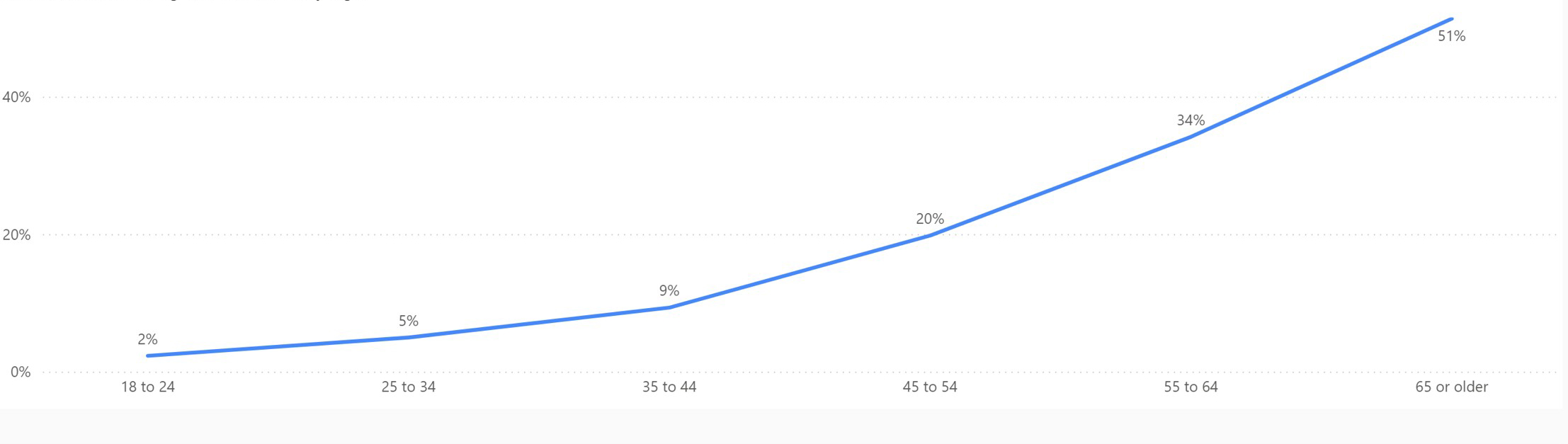
Heart disease: There is a strong and steady increase in heart disease drug claims, for both men and women, especially at older ages (pictured below). Thirty-four per cent of claimants aged 55 to 64 filed heart disease drugs claims; that rises to 51% for the 65 and older age group. Hypertension, coronary heart disease, and heart failure all increase the likelihood of loneliness38.

Diabetes: An average of 13% for women claimants age 55-65 and older; 15% for men 55-65 and 19% for men 65 and older submit claims for diabetes medication. People with Type 2 diabetes are more likely to have limited social networks and social support, reduced social contact and involvement, and/or negative feelings of disconnection from the outside world39.

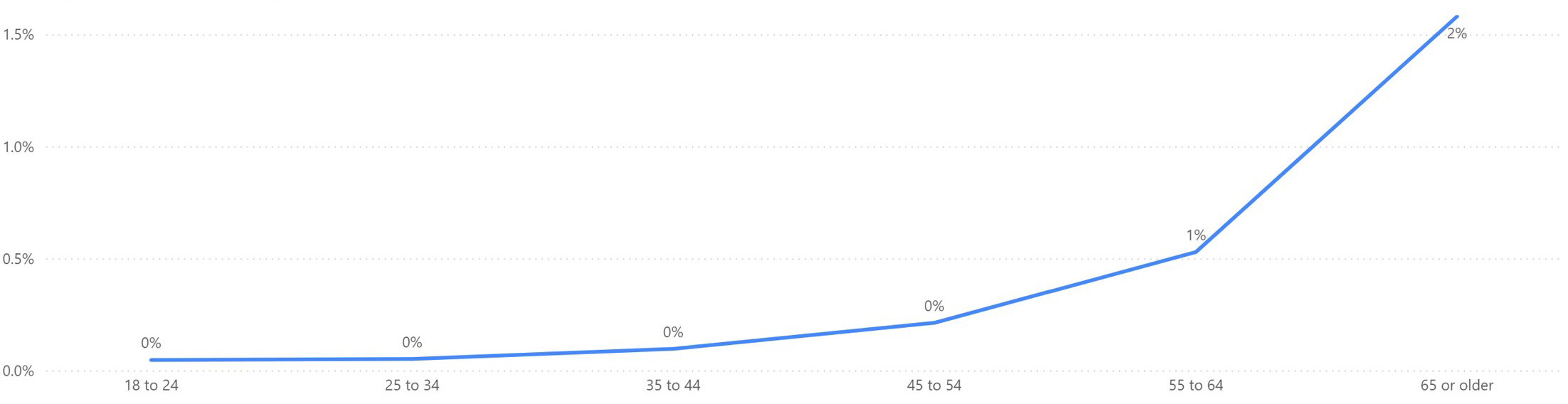
Hearing loss: Hearing aid claims largely begin after age 55 and rise after 65 to 2% of all claimants (pictured below). Hearing loss is strongly linked to social isolation and loneliness40.

Mental illness: 14% of all claimants over the age of 65 submit claims for drugs commonly used to treat mental health conditions such as depression and anxiety41. That number increases as people age from 9% of people age 25 to 34. Claims for this type of medication, in particular, peak at 65 and older, with 11% of all claimants in that age group filing that type of medication.  Depression, social anxiety, and general anxiety are all risk factors for social isolation.

Heart disease drug claimants % by age

Hearing aid claimants % by age

4. The awareness gap

There’s another barrier at play, too: An awareness gap. Not everyone understands or appreciates the relationship between social connection and health42. While some medical professionals have started asking about it as part of their care practice, research shows it’s far from the norm43.

Experts say there are many reasons for this, including:

  • Minimal (if any) education about the importance of social connection during medical training;
  • Fewer validated measures to efficiently assess social isolation or loneliness;
  • Ways to intervene or improve social connection may not be clear44;
  • Many competing demands on time with patients.

But there’s evidence things are changing. “Because loneliness and social isolation have not historically been treated as seriously as they should be, and because few clinicians were taught to ask about it, it’s not routinely checked for, and often ignored,” says Dr. Sinha. “But more and more, we are recognizing it as something that should be taken very seriously, and something that every clinician should be asking patients of all ages about.” 

Turning a vicious circle into a virtuous one

Together, all these factors can comprise a vicious circle: People who feel stressed and unwell are more likely to be socially isolated, which makes them more stressed and unwell, and so on. “It can really begin to add up,” observes Manulife’s Wilson. As Canadians get older, and our health system faces increasing strain, it’s not a burden anyone can afford.


“Healthy behaviours feed into one another. When we take care of the factors that impact our ability to connect with others, we see the effects in other areas of our health.”

- Dr. Ali Damji, Cleveland Clinic Canada

But here’s the good news: Experts say that some simple habits, mindset, and behavioural shifts can turn that vicious circle into a virtuous one. “Our financial, mental, physical, and social health are all highly interconnected,” explains Dr. Sinha. When we proactively tend to each, he says, we are more likely to see benefits to the others: “I like to think of it as a wellness flywheel.”

In a society where feeling isolated is increasingly common, taking care of our mental, physical, and financial health—with help from the healthcare providers, employers, and advisors in our lives—is more than an investment in our minds, bodies, and bank accounts. It’s also an investment in our social wellbeing, which, in turn, can further enhance our physical, mental, and financial health as we age. “Healthy behaviours feed into one another,” says Dr. Damji. “When we take care of the factors that impact our ability to connect with others, we see the effects in other areas of our health.”

Super-habit: Volunteering

In one study, people over 50 who volunteer at least two hours per week had a lower mortality risk, fewer physical functioning limitations, higher levels of physical activity, and better psychosocial outcomes45 . “When people engage in acts of service for their broader community, it offers purposeful, meaningful connection that seems to support more healthy ageing,” says Dr. Damji.

How to start investing in your social future

There are many things—big and small—you can do now to help support your social wellbeing now and moving forward.

Experts say that one of the most effective ways to stay connected as you age is to make connection an everyday habit, akin to exercise or sleep. “It really is important for people to build their social networks throughout their lives, so they can continue to have friendship, companionship, and social support as they age,” notes Dr. Sinha of the NIA.

That’s beneficial for everyday quality of life, but it’s also wise for very practical reasons: Just like engaging in healthy habits like regular exercise early on can have a preventive effect on future health,  “it is much, much easier to engage in prevention and to encourage patients to maintain their social connections than it is to reverse isolation,” explains Cleveland Clinic Canada’s Dr. Damji.

How can you incorporate healthy social connection into your life, no matter your age and stage? In 2025, a Canadian-led global panel of more than 120 experts published six evidence-based recommendations to incorporate healthy social connection in modern life46. They include:

  1. Make social wellness a priority: Commit to a connected life as a driver of wellbeing, even when doing so takes extra effort.
  2. Cultivate social confidence in yourself and others: Experts acknowledge this can be challenging for some, and recommend taking small and gradual steps to manage social anxiety, such as initiating conversations with others and expressing empathy during interactions. 
  3. Build a strong network with different types of relationships: This removes the risk of relying on just a few sources of connection.
  4. Tend to your relationships: Try to maintain a close circle of supportive people you can trust and count on.
  5. Invest in regular connection: Aim for meaningful social interactions every day, even if brief.
  6. Take it offline: As much as possible, seek out face-to-face interactions and use technology wisely.

These efforts can offer a terrific starting point. But undertaken in isolation, they won’t be enough. That’s because experts say your ability to start and maintain these pro-social behaviours as you age will be highly contingent on your overall health and wellbeing. Investing in a social future can require a series of proactive and intentional habit choices.

Here is why each of them matters—and what you can do to help support your ability to connect. 

Invest in physical health

The healthier your body, the easier it is to stay social, experts say. “Tending to our physical health is important, because it can impact our ability to feel well enough to get out there and interact with others,” says Dr. Sinha. Taking steps to prevent chronic diseases that can lead to and exacerbate isolation—such as hypertension, type 2 diabetes,47 and musculoskeletal conditions48—can help ensure physical independence, which can make social engagement much more accessible.

Healthy physical habits can take many forms: Experts say regular exercise, nutrient-rich diets (such as the Mediterranean diet), good sleep hygiene, and minimizing the use of substances (like alcohol and tobacco) can all help prevent the risk of chronic disease49.

“Feeling physically well opens up the door for social connection,” says Manulife’s Wilson. “You still have to step into it, but it’s going to be a lot easier if you are feeling good about your physical ability and mental stamina, and not feeling limited by your health.”


“It really is important for people to build their social networks throughout their lives.” 

- Dr. Samir Sinha, National Institute on Ageing

  • Consult with healthcare providers to establish healthy physical habits that can help support social longevity, including: 
    • Dietary choices that encourage cognitive health, cardiovascular health, and overall longevity, such as the Mediterranean diet50.
    • Working more movement and activity into your day to support musculoskeletal51 and cardiovascular52 health, and protect long-term mobility.
    • Cutting down on alcohol53, tobacco and other substance use54 that might increase your risk of developing chronic diseases that can increase social isolation.
    • Fostering healthy sleeping habits, including regular bed and waking times, can improve energy levels55 and even reduce chronic pain56.
    • Finding ways to manage and directly address stressors can improve your immune system and keep your body resilient57.
  • Commit to scheduled fitness activities, whether it’s a class, a session with a personal trainer, or an appointment with friends for weekly walks. “Scheduling activities with others can help you stay consistent in physical activity, while also building social health,” Dr. Damji explains.
  • Schedule preventive screenings for chronic diseases, such as cancer,58 cardiovascular disease,59 and diabetes60.
  • Wear a health tracking device, like a smartwatch, to help monitor and encourage healthy activity—and even to engage in some healthy competition with friends. Programs like Manulife Vitality offer discounts on many popular models.
  • Leverage your benefits plan or a personal insurance plan (like Manulife’s CoverMe) to help cover eligible services from practitioners that can keep your body in top form and help you feel your best, including physiotherapists, chiropractors, registered massage therapists, optometrists, and dentists.
  • Members of the Manulife Vitality program can use the Vitality app to keep on top of—and earn points towards rewards for—vaccinations and preventive screenings, including dental exams and screenings, colonoscopies, pap smears, and mammograms.
  • The Manulife Mobile app offers group benefit members a variety of health and wellness activities and they can earn Aeroplan® points in the process.
  • See if your benefits plan has a wellness account— it may help cover the costs of gym memberships or fitness classes and gear.
  • Manulife's FollowMe program makes it easy for benefits members to get continuous support after retirement for a variety of health needs.

Super-habit: Commit to classes

Whether it’s CrossFit, yoga, ballet, or joining a neighbourhood walking group, group activities centred on fitness keep you accountable to others, and offer camaraderie, sweat, and stress relief. “The many benefits of group exercise make it easier to protect that time,” says Dr. Damji.

Nurture cognitive health

Brain health is a major contributor to social connection: When cognition declines, people often struggle to plan interactions, follow conversations, and recall important details about relationships. Staying socially connected also helps to maintain brain health. To stay as sharp as possible for as long as possible, experts recommend incorporating habits that support brain health, and can even help prevent mild cognitive impairment and dementia.

“Some of the strongest protective factors involve keeping mentally active,” says Dr. Ducharme of the Douglas Research Centre, adding that a simple approach can be quite effective. “Simple activities, like doing crossword puzzles, playing board games like chess, and reading, can help. And avoiding unhealthy behaviours, such as smoking and alcohol use, are also important to keep the brain healthy and protected.” 

  • Take action towards staying on top of your physical health with regular exercise, sleep and a healthy diet, so your brain gets the rest61 and nutrients62 it needs to stay sharp.
  • Take preventive steps to protect your hearing, which can maintain cognitive function and help mitigate the risk of dementia63Regular screenings with an audiologist and/or otolaryngologist (also known as an ENT doctor) can support your hearing and cognitive health, and positively impact social wellbeing. “Hearing impairment is an easily correctable risk factor for cognitive impairment and social isolation,” Dr. Ducharme says.
  • Schedule regular eye exams to mitigate the risk of vision loss, which significantly increases the risk of dementia64 and social isolation65.
  • Set time aside every day for activities that challenge your brain, like reading, puzzles, and games. Turbo-charge the social benefits by sharing and comparing your scores or favourite reads with friends66.
  • Creative activities or new experiences, like music or art classes, can engage our brain (and body) in different ways67, and can be opportunities to build social connections as well.
  • Avoid smoking68 and alcohol consumption69 to help keep the brain healthy and protect cognitive function.
  • Maintain your hearing with regular hearing exams and, if necessary, with hearing aids, which may be covered by your group benefits or personal insurance plan.
  • Protect your vision by scheduling regular eye exams and wearing glasses or contacts to support long-term eye health70 and better vision71. Your personal insurance or benefits plan can include discounts and coverage for these costs.
  • Request a park prescription through a registered prescriber, such as those provided through the BC Parks Foundation’s PaRx program: Spending a moderate amount of time in nature can lessen the risk of dementia72.
  • Consult your Employee and Family Assistance Program as part of some benefits plans for smoking cessation or substance abuse support.

Super-habit: Choose conversations

Whatever your opinions on small talk, experts say it can be very good for cognitive and mental health, while improving social connection. “Simple things like going to the grocery store and having a 15-second chat with the person at the checkout can boost your mood,” says Dr. Seitz. “It doesn’t have to be a deep conversation. Even a brief interaction can make a big difference.” 

Safeguard mental health

If you’re one of the growing number of Canadians who has experience with common forms of mental illness,73 you’ll understand how they can impede social connection. “Depression and anxiety are conditions that inherently cause people to withdraw,” explains Dr. Damji.

Dr. Seitz of CAMH elaborates: “People struggling with their mental health might avoid doing activities because their energy or their self-esteem is low,” he says. “That undermines their ability to sustain or establish new social relationships, which can then often compound conditions like depression.” That’s why he advises individuals to get in the habit of checking in with themselves daily to keep the risk of social withdrawal at bay. A few examples: What can I do today with others to improve my mood? And what social activity can I use to help maintain my mental health?

  • Meet with your health provider to discuss preventive mental health habits that can lower your risk of loneliness or social isolation, such as:
    • Engaging in professional counselling, psychotherapy, or psychiatric care to help maintain or improve your mental health.
    • Making dietary and exercise choices that safeguard your mental health.
  • Prioritize healthy sleep habits to reduce your risk of depression and anxiety,74 reduce stress,75 and improve overall mood76—all of which can improve your ability to engage socially.
  • Practice regular, guided self-reflection, such as daily journaling, which can help manage anxiety and stress,77 and may help in the treatment of mental illness78.
  • Make a habit of getting out regularly—daily, if possible—to places and spaces in your community where other people will be. “We all need some degree of interaction in our lives,” says Dr. Seitz. “Everyday connections, like saying hello to a neighbour, are easy to take for granted, but they can have a very beneficial impact on our mood.”
  • Enlist expert counselling—such as the on-demand virtual support provided through Manulife’s mental health & counselling services, or its partnership with Maven Clinic which focuses on women’s and family health—to help manage social anxiety, as well as isolating conditions like generalized anxiety, depression, and stress.
  • The need for counselling doesn’t necessarily end when you retire—post-employment coverage through programs like FollowMe can help keep access to mental health support steady as you age.
  • Sign up for meditation classes, which can help manage symptoms of depression79 and anxiety80. The wellness account in your benefits plan may cover fees.
  • Manulife Vitality members can earn rewards by doing activities that have mental health benefits, like getting a good night's sleep, meditating or spending time in nature.
  • The Manulife Mobile app allows group benefits members to track and complete Mindful Minutes to earn rewards, as well as helping to improve emotional wellbeing and your mind’s strength.
  • And if your physician brings up a need for medication:
    • You may be able to leverage your benefits plan or an individual insurance plan, such as CoverMe, to help cover the cost.
    • Your benefits plan may also cover pharmacogenetic testing, a saliva test that can help you and your health provider discuss finding the right medication for you.

Super-habit: Schedule friend dates

Setting a regular calendar event for time with a close friend (or friends) helps make it a habit and removes the stress and cognitive load of planning. Bonus points for making it an active hang. “When we’re busy in our lives, we can lose important connections—and they can be hard to get back when they’re gone,” says Dr. Damji. “That’s why it’s really important to put the time and effort into maintaining relationships that matter to you.” 

Plan for financial health

The NIA survey showed a link between financial health and opportunities to maintain social connection. Sixty per cent of Canadians over 50 in the highest income households reported feeling satisfied with their levels of social and recreational opportunities, while 38 per cent of people in the lowest income households said the same. Thirty-six per cent overall cited a lack of funds as the top barrier to social activity.  

That’s not to say that income level alone is a predictor of having meaningful social relationships. But when people feel uncertain about their financial health —whatever they may be—it can have a negative effect on overall connection.  “Financial stress can undermine your ability to engage in leisure or social activities,” explains Dr. Seitz.

To help mitigate stress, Canadians might benefit from a shift in how they think about long-term financial planning, says Jenn Ruso, head of residential lending at Manulife Bank. “We’re used to doing routine maintenance—on our homes, our cars, even our calendars. Our finances deserve the same attention. A yearly check-in on spending, savings, and long-term goals—supported by trusted advice—can reduce financial stress and help people feel more confident about saying yes to the things that keep them connected.”

There’s an increased sense of financial security that can come with having a financial plan, agrees John Natale, Head of Tax, Retirement & Estate Planning Services, Wealth, at Manulife.  Developing a financial roadmap, even a very simple one, that plots out the life you want to lead, the activities that help you feel fulfilled, and the resources you’ll need to get there can make a big difference, he says: “Any plan is better than no plan.”

Wilson expands on the idea: “There are no guarantees in life,” she says. “But if you know you’ve set up safety nets, and if you know you’ve got a plan, you’ll be less likely to isolate because a certain amount of worry is gone.”

  • Begin realistically mapping out your financial future as early as you’re able—ideally, with an advisor—to help prevent money issues that might encourage isolation. “Some things are not within our control, but in areas in which we have the locus of control to be able to plan, it’s very important to do so,” says the NIA’s Bronstein.
  • Think about how you can create financial “safety nets” so that money doesn’t become a barrier to engaging in the world. “If you have safeguards in place, it takes away the worry and stress that ‘what ifs’ can bring,” says Wilson. “That can encourage the feeling that you can do the things you want to do, because you will have enough.”
  • Work to get a handle on your attitudes towards and behaviours surrounding money—especially how these factors affect your relationships. “When we’re in different financial situations than our friends, it can create feelings of guilt, or shame, or self-consciousness about not participating in activities because you can’t afford it, or because you’re worried about being judged because you’re from a different background,” says Dr. Seitz. “These feelings can lessen your ability or desire to be social.” 
  • Use a tool, like the NIA’s Cost of Ageing calculator,81 to get a sense of the financial resources you may need in different stages of ageing, and use that as a starting point to open a conversation with an advisor.
  • Talk to an advisor about the kind of life you want to live as your age—including the activities you want to do and the people you want to do it with. “An advisor can help you map out the things you want to be able to do in different life stages, and ensure you have a financial plan that supports it,” says Geoff Finnie, Vice President, Head of Individual Health and Travel, Manulife Canada.
  • Advisors can also help identify specific financial products that, when engaged at the right time, can help create more flexible cash flow and predictable streams of income later in life. For instance:
    • Manulife One brings together your mortgage, bank accounts, short-term savings, income, and other debts in one place. It can make it easier to use home equity to tackle high-interest debts (such as credit card debt) without refinancing a home or complex financial applications.
    • Manulife’s Annuities can form an important part of an income portfolio. A single lump-sum investment can offer a stream of income for a specific period or an entire life, which can reduce the need for ongoing investment decisions, and limits the impact of market volatility on your income.
    • Series T (or Class T) mutual funds provide tax-efficient income because most distributions are a return of capital. This lowers an investor’s adjusted cost base and distributions aren’t taxed until the cost base reaches zero. After that, distributions are taxed as capital gains.
    • Work with a therapist to help get a handle on your emotional relationship with money—and how you talk about it with friends and loved ones. Your benefits plan or personal insurance may help cover this.

Super-habit: Social audits

Taking stock of your social habits every few months—the same way you would a bank statement—might feel a bit weird, but doing so can help you review what fills your cup (and what doesn’t), brainstorm ideas for healthy social activities, and keep you from withdrawing when life gets busy or expensive. This is especially helpful in times of transition, like moving, or sending a child to post-secondary education, or starting a new job, says Dr. Seitz: “It’s helpful to check in: What are the opportunities my new phase of life allows to explore and expand on social connections?” Engaging an advisor at these major life stages can also help ensure your financial plan evolves with these changes and keeps you supported long term.

Not all of these habits are always comfortable, nor are they always fun. But, taken together, experts say they can greatly increase your likelihood of a socially connected future. As Dr. Ali Damji of Cleveland Clinic Canada says: “Trying new things might prompt us to interact with others in new ways or in new circumstances, or try new activities we aren’t as good at, often with surprisingly pleasant results.”

Like all investments, when you’re building social wellbeing, you have to buy in to win.

Group Benefits industry news

The employer connection: How organizations can encourage and support social health

Why and how workplaces can encourage and support social health through education, culture and preventive behaviours.

Advisors’ role in social health

Why and how advisors can encourage and support social health through products that support financial, physical and mental longevity.


This report is for informational purposes only and is not providing medical, nutritional, mental health, financial, fitness or other advice, for which individuals should seek appropriate professional advice.

®Aeroplan is a registered trademark of Aeroplan Inc., used under licence.

Manulife, Manulife Bank, Stylized M Design, Manulife Bank & Stylized M Design, Manulife One, and Manulife Bank Select are trademarks of The Manufacturers Life Insurance Company and are used by Manulife Bank of Canada under license.  

Insurance products are issued by The Manufacturers Life Insurance Company. The Vitality Group Inc., in association with The Manufacturers Life Insurance Company, provides the Manulife Vitality program. The Manulife Vitality program is available with select policies. Please consult your financial representative to learn more and find out if you qualify for this product. Vitality is a trademark of The Vitality Group International Inc., and is used by The Manufacturers Life Insurance Company and its affiliates under license. Vitality, Vitality Age, Vitality Points, Vitality Status, Vitality Active Rewards, Vitality Health Review, Vitality Squares, Vitality Check and HealthyMind are trademarks of The Vitality Group International, Inc., and are used by The Manufacturers Life Insurance Company and its affiliates under license. Manulife & Stylized M Design, and Stylized M Design are trademarks of The Manufacturers Life Insurance Company and are used by it, and by its affiliates under license.

Cleveland Clinic Canada

Manulife is proud to have Cleveland Clinic Canada on board as Medical Director for our Group Benefits operations. Cleveland Clinic Canada has a wealth of global healthcare expertise and shares our goal to help Canadians live longer, healthier, and better lives. Cleveland Clinic is a nonprofit organization that has been at the forefront of modern medicine since 1921. In recent years, Cleveland Clinic has worked with progressive companies in Canada and around the world to prioritize the health and well-being of their employees, customers, and communities.

Manulife Longevity Institute

The Manulife Longevity Institute is a global research, thought leadership, innovation, advocacy, and community investment platform to drive action that can help people live longer, healthier, and more financially secure lives. Underpinned by a $350 million signature commitment, its focus is on helping people extend their healthy years, promoting greater financial resilience for all. As a global insurer, retirement plan provider, and asset manager, Manulife is well placed to help lead this change. The Institute’s work will support Manulife’s Impact Agenda strategy by investing in organizations that are growing the longevity economy, convening research collaborations with leading academic institutions and think tanks, and producing thought leadership to advance awareness and action on the issues impacting populations as they age. The Institute will be known as the John Hancock Longevity Institute in the United States. The actions of the Institute will be guided by a Steering Committee of members of Manulife’s Executive and Global Leadership Teams and in partnership with a robust ecosystem of partners and experts who champion longevity across Canada, Asia, and the U.S.

Through the Longevity Institute Manulife supports CAMH, The Douglas Foundation and The National Institute On Ageing.

CAMH

The Centre for Addiction and Mental Health (CAMH) is Canada's largest mental health teaching hospital and one of the world's leading research centres in its field. CAMH is fully affiliated with the University of Toronto and is a Pan American Health Organization/World Health Organization Collaborating Centre. The organization conducts groundbreaking research, provides expert training to health care professionals and scientists, develops innovative health promotion and prevention strategies, and advocates on public policy issues at all levels of government. Through its Foundation, CAMH raises tens of millions of additional dollars to fund new programs and research and augment services. womenmind is a community of philanthropists, thought leaders and scientists dedicated to tackling gender disparities in science to put the unique needs and experiences of women at the forefront of mental health research. Inspired and empowered by the work of CAMH, members of the womenmind community connect with and learn from each other while driving change for women’s mental health and women in science. Manulife funds research related to women’s health, via CAMH’s womenmind  program and the Women’s Health Research Cluster (WHRC).

The Douglas Foundation

The Douglas Foundation funds innovative research and patient care to improve the lives of people affected by mental illness. Founded in 1972, its mission is to fund the development of the Douglas Institute: patient care and their environment, research in neuroscience and mental health, as well as education and training. Manulife supports the Douglas Foundation in alignment with our Impact Agenda and our commitment to Empowering sustained health and well-being to support the journey towards a better life. Manulife has invested in Quebec’s first precision medicine clinic for dementia prevention, led by Dr. Simon Ducharme at the Douglas Institute.

The National Institute on Ageing

Founded in 2016, the National Institute on Ageing (NIA), based at Toronto Metropolitan University, is celebrating a decade of impact in our mission to improve the lives of older adults and the systems that support them. Over the past 10 years, the NIA has become Canada’s leading voice on ageing policy — convening stakeholders, conducting research, advancing policy solutions and practice innovations, sharing information and shifting attitudes. Manulife funding supports the National Institute on Ageing’s Perspectives on Growing Older in Canada: The NIA Ageing in Canada Survey.