
How to keep doing what you love in the summer
July 27, 2026 | 7 min read
For many Canadians, summer is about being outdoors, whether that means hiking, gardening, travelling, or spending time at festivals or campsites.
Each of these activities is more than just a hobby, says Geoff Finnie, vice president and head of individual health and travel at Manulife Canada. “They reflect independence and quality of life,” he says. “And for many Canadians, they’re a big part of how we define ourselves.”
These pastimes often feel effortless in our 30s and 40s. Over time, though, they can become harder to sustain. That’s where prevention comes in. Building habits that support physical and mental health earlier in life can help people stay mobile, independent, and engaged.
Dr. Jia Hu, a public health physician with Cleveland Clinic Canada which is the medical director for Manulife Canada’s Group Benefits, says prevention doesn’t require dramatic change. “Taking a few important and regular actions on a day-to-day basis can help people protect their health and ability to enjoy life as they age,” he says.
Below are steps that you can take now, to ensure you’ll be able to keep doing your favourite seasonal activities for longer:
For campers
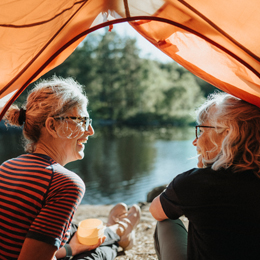
More than 10 million Canadians identify as campers, according to a 2023 study1 by Kampgrounds of America. It often involves long days on uneven terrain, carrying gear, and sustained physical effort, as well as bending and twisting to set up tents or trailers.
“Doing resistance training a couple of times a week, along with activities to help with balance and stability, can help with that,” says Dr. Hu.
If you plan on hiking during your trip, Dr. Hu says that the Canadian Physical Activity Guidelines recommendation of 150 minutes of moderate to vigorous physical activity per week should be helpful to maintain heart and lung health, along with muscle strength2.
Keep Learning: 5 health boosting benefits of camping
Learn from experts how camping can improve long-term health outcomes.
For beachgoers
Whether you’re enjoying the ocean or relaxing by a lake, spending extended time outdoors increases exposure to ultraviolet (UV) radiation, which accumulates over a lifetime3.
The Canadian Cancer Society recommends basic sun-protection habits to combat the risk such as wearing sunscreen with SPF 30 or higher, reducing your time in the sun between 11 a.m. and 3 p.m. when the UV index is often at its highest, and seeking shade when possible4.
“These are small, consistent behaviours,” says Dr. Hu, “but over time they can make a meaningful difference.”
He recommends consulting with a clinician, if there are new or persistent changes to your skin, such as moles. Using the ABCDE method can help asses whether an area is worrisome5. “A is for asymmetry, B is for border irregularity, C is for colour, D is for diameter more than six millimetres, and E is for evolution.”
For gardeners
Gardening offers many benefits, from stress reduction6 and even, according to a 2024 study from Environment International7, improved immunity.
It requires activation of many different muscle groups, and you must be comfortable in a variety of positions, such as kneeling, standing, and crouching, says Dr. Hu. Flexibility is key. “You want to ensure you have a good range of motion, and mobility, which you can get from resistance and balance training and stretching,” he says.
Manulife CoverMe health and dental plans and group benefits plans may cover practitioners, such as physiotherapists, chiropractors and massage therapists that can help keep your body in top form and provide expert advice for mobility, flexibility and strength training.
"Longevity isn't about perfection," says Manulife's Finnie, adding that the right support can help remove barriers and keep motivation up, making long-term health goals feel more achievable.
Dr. Hu also encourages gardeners to ensure their routine health checkups and vaccines are up to date. Tetanus bacteria can often be found in soil and manure and enter the body through cuts and splinters8.
Keep learning: Health Benefits of Nature at Every Age
From improving mental health to increasing longevity, here’s why spending time outdoors is good for you.
For concert-goers
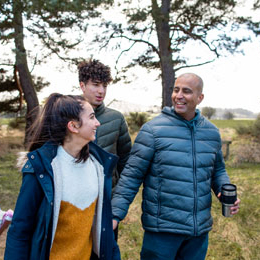
Concerts in Canada are an estimated $10 billion per year industry, according to the Canadian Live Music Association9. But sound levels at concerts can reach 110 to 120 decibels, and repeated exposure to high volumes may cause permanent damage10.
To help protect hearing, Dr. Hu suggests earplugs, which are often unobtrusive in comparison to larger over-ear headphones, and can reduce sound levels without significantly affecting the listening experience.
Concert venues also often serve alcohol, which can cause health problems. “Even moderate levels of alcohol consumption have been associated with a range of negative health outcomes including cancer and cardiovascular issues,” says Dr. Hu. The Canadian Centre on Substance Use and Addiction suggests limiting alcohol intake to reduce the likelihood of negative health effects11.
For road-trippers
Road trips rely on sharp vision, sustained attention, and good decision making, all of which can gradually change with age.
Regular eye exams and updated prescriptions help support safe driving, and sleep plays an important role in ensuring good cognitive health, according to Dr. Hu. Short‑term sleep deprivation can impair attention and reaction time12, while chronic poor sleep has been linked to longer term cognitive decline13.
Preparation can also help with confidence on the road, such as looking into Manulife CoverMe travel insurance. Even if you’re not going very far this summer, there are often coverage gaps when people travel out of province that can be filled with inexpensive policy top-ups. "Travel insurance helps people remain active and confident as they explore, rather than letting uncertainty hold them back,” says Finnie.
Looking ahead
Across activities – from hiking to road-tripping – the common thread is consistency. It’s the small, repeatable choices people make over time, along with access to the right support, that help preserve mobility, independence, and confidence as they age.
Dr. Hu encourages people to focus on the fun in the moment as much as outcomes. “Find activities you enjoy, and people you enjoy doing them with.”
This story was originally published in CBC on June 3, 2026.
The information in this article is not to be relied on for medical advice for specific situations. Individual circumstances may vary. Always speak to a medical professional for medical advice.
Cleveland Clinic Canada
Manulife is proud to have Cleveland Clinic Canada on board as Medical Director for our Group Benefits operations. Cleveland Clinic Canada has a wealth of global healthcare expertise and shares our goal to help Canadians live longer, healthier, and better lives. Cleveland Clinic is a nonprofit organization that has been at the forefront of modern medicine since 1921. In recent years, Cleveland Clinic has worked with progressive companies in Canada and around the world to prioritize the health and well-being of their employees, customers, and communities.